-01.png)
The Four Voices of a Choir and Why They Matter

A choir is more than a group of people singing the same notes at the same time. It is a carefully balanced blend of four distinct voice parts, each with its own role, colour, and personality. When those voices work together, the result is something no single singer could create alone.
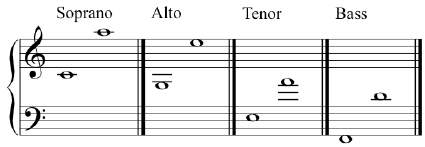
Let’s break down the four voices you will usually find in a choir and why each one matters.
Soprano
The soprano is the highest voice in the choir and often carries the melody. This is the line most people hum on the way home. Sopranos bring brightness, clarity, and lift to the sound. They are responsible for soaring phrases, sparkling high notes, and that sense of emotional release that makes audiences lean forward in their seats.
Singing soprano requires confidence, control, and stamina. High notes demand good breath support and precise technique. When sung well, the soprano line adds brilliance and excitement without overpowering the rest of the choir. When sung poorly, everyone knows immediately. No pressure.
Alto
Altos live in the middle-lower range and are the glue that holds the choir together. They often sing harmonies that are less flashy but absolutely essential. Without altos, the choir loses warmth, depth, and richness.
Altos are the quiet heroes of choral music. Their lines are frequently more complex than the melody and require excellent listening skills. They must blend seamlessly with both higher and lower voices while staying confident in parts that may not feel immediately familiar. A strong alto section gives the choir its emotional foundation and makes the harmonies feel full and grounded.
Tenor
Tenors are the highest male voice in SATB choirs and often bring energy and brightness to the lower half of the choir. They sit between the warmth of the altos and the depth of the basses, adding clarity and drive to the sound.
Tenor parts can be deceptively challenging. The range often sits right at the edge of comfort, requiring good technique and consistent breath control. When tenors are confident and supported, the choir gains momentum and excitement. When they are hesitant, the entire sound can feel flat. A solid tenor section lifts the choir from the inside out.
Bass
The bass is the lowest voice in the choir and provides the foundation on which everything else is built. Basses bring depth, stability, and power. Their notes anchor the harmony and give the music its sense of direction and strength.
Good bass singing is not just about singing low notes. It requires resonance, timing, and careful tuning. A strong bass section allows the rest of the choir to sing freely and confidently, knowing the harmonic floor is solid beneath them. When basses are locked in, the entire choir sounds bigger, fuller, and more confident.

Why the Balance Matters
Each voice on its own has value, but choral magic happens when all four work together. Too much of one voice can throw off the balance. Too little of another can leave the sound feeling thin or unstable. Choirs thrive on cooperation, listening, and mutual support.
Sopranos bring the sparkle. Altos provide warmth. Tenors add energy. Basses deliver strength. Remove any one of them and the music loses its depth and character.
This balance is also what makes singing in a choir so rewarding. Every singer matters. Every part contributes to the whole. You are not just singing notes; you are building something together.
That is the real beauty of choral music. Different voices, different roles, one shared sound.


Comments